
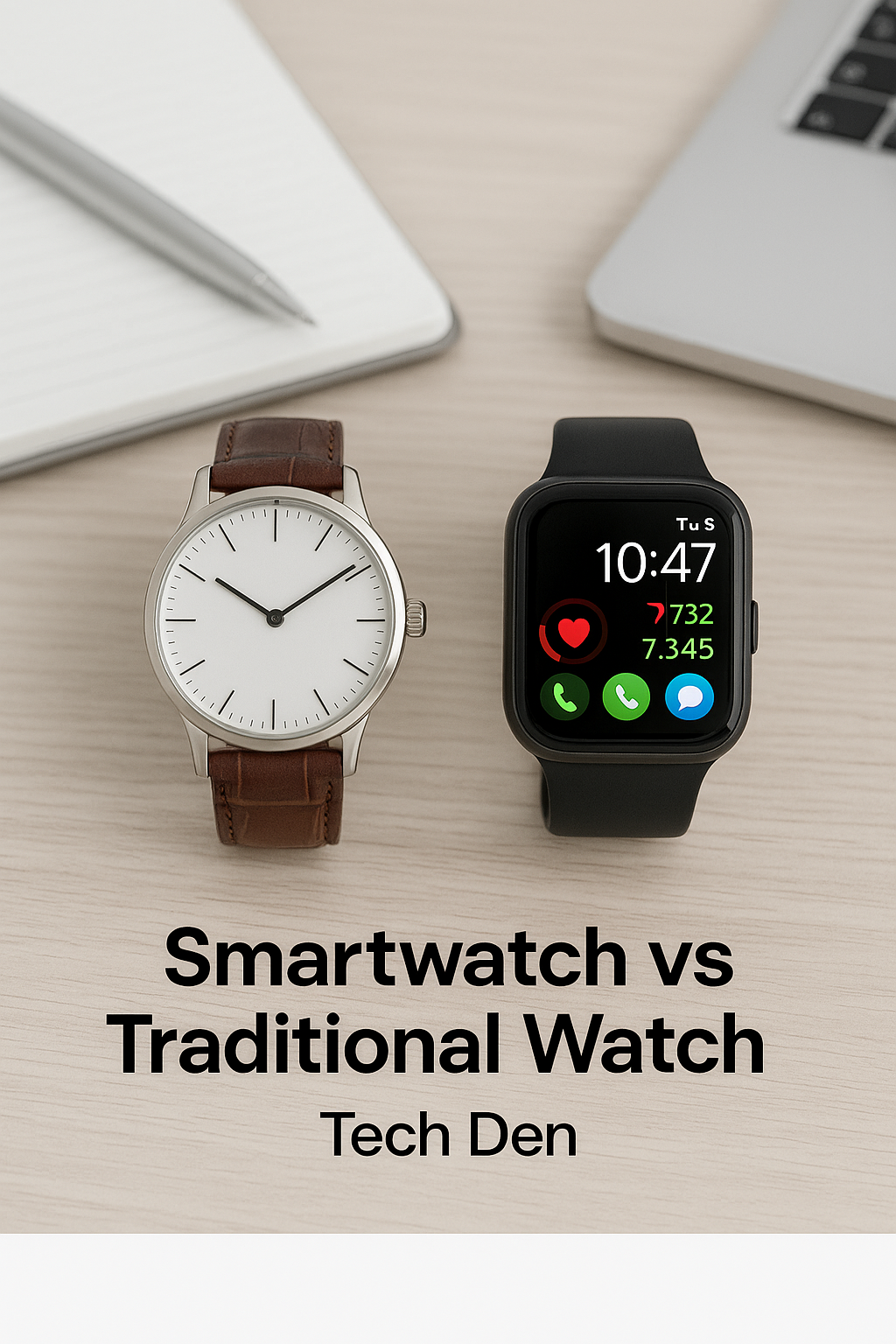
Smartwatch vs Traditional Watch – Who Really Wins?
For decades, a watch meant one thing: an analog or digital timepiece on your wrist. It showed the time, maybe the date, and that was it. Today, things are very different.
Now you have a new competitor on the wrist – the smartwatch. It tracks your health, shows WhatsApp messages, handles calls, reminds you to drink water, and even acts like a tiny computer.
So, which one is better – smartwatch or traditional watch?
The honest answer: it depends on your lifestyle, your priorities, and how you see a watch in your daily life.
Let’s break it down feature by feature.
1. Style & First Impressions
Traditional Watch: Timeless Elegance
A traditional watch (analog or simple digital) is more than a tool; it’s a style statement.
-
Clean dial, metal or leather strap
-
Looks great with formal wear, office outfits, weddings and special occasions
-
Many people see a good watch as a symbol of taste, professionalism and maturity
A classic watch will never feel “too techy” or out of place in a business meeting or family event.
Smartwatch: Modern & Versatile
Smartwatches bring a modern, tech-forward look:
-
Colorful screens, customizable watch faces
-
Sporty silicon straps or metal straps that you can change
-
Looks perfect with casual outfits, gym wear, office-casual style
With the right watch face and strap, a smartwatch can look classy too – but the vibe is always a bit more digital and futuristic.
? Style Verdict:
-
If you care about luxury and classic style, traditional watch wins.
-
If you want modern, customizable looks, smartwatch takes the lead.
2. What They Can Actually Do
What a Traditional Watch Offers
-
Tells the time (and sometimes date/day)
-
Some models offer chronograph (stopwatch), dual time, or basic alarms
-
No charging needed for quartz (battery lasts years) or automatic (self-winding) watches
It’s simple, reliable and distraction-free.
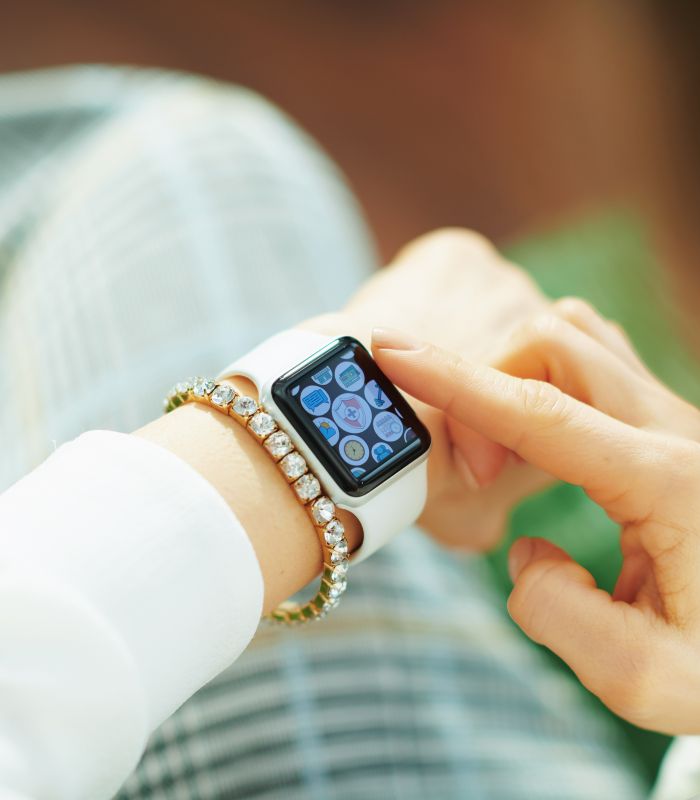
What a Smartwatch Can Do
Here’s where things get serious. A smartwatch can:
-
Show time, date, weather, calendar events
-
Display calls, SMS, WhatsApp, Messenger, email and app notifications
-
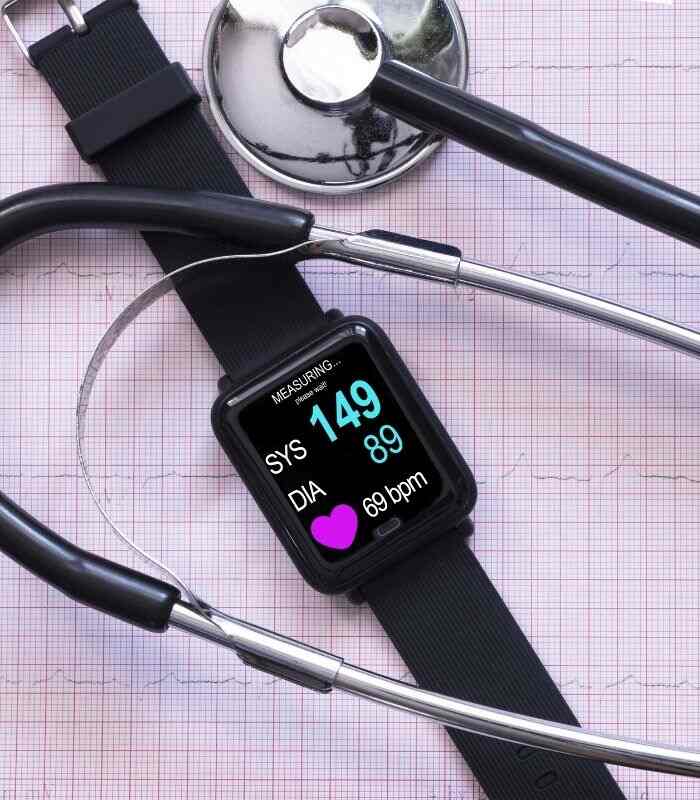
Track steps, heart rate, calories, sleep, SpO₂, stress level
-
Offer multiple sports modes – running, cycling, walking, gym, etc.
-
Provide alarm, timer, stopwatch, reminders
-
Control music and sometimes camera shutter
-
Use built-in GPS (on selected models) for route tracking
-
Handle Bluetooth calling so you can talk directly from your wrist
In short, a smartwatch is like a mini smartphone + fitness band + watch in one.
? Functionality Verdict:
-
For basic timekeeping: traditional watch is enough.
-
For all-round smart features and health tracking: smartwatch wins by a huge margin.
3. Battery Life & Charging
Traditional Watch
-
Quartz watches: battery lasts 1–3 years
-
Automatic/mechanical: run as long as you wear or wind them
-
No daily or weekly charging tension
You simply wear it and forget about it.
Smartwatch
-
Battery life usually 2–10 days, depending on model and usage
-
Heavy features like always-on display, GPS, Bluetooth calling, continuous heart-rate tracking shorten battery life
-
Needs regular charging with a magnetic or wireless charger
? Battery Verdict:
If you hate charging another device, traditional watch clearly wins.
If you don’t mind charging every few days in exchange for powerful features, smartwatch is worth it.
4. Durability & Longevity
Traditional Watch
-
Good quality watches can last many years, even decades
-
Easy to change straps and batteries
-
Minimal software, so no “lag” or “update” issues
-
Many people keep a traditional watch as a sentimental item or heirloom
Smartwatch
-
Usually designed for 2–5 years of practical use
-
Software may get updates, but hardware can feel outdated after a few years
-
Battery health slowly reduces over time
-
Tech moves quickly – new models with brighter displays and more sensors keep coming
? Durability Verdict:
For long-term use and emotional value, traditional watch wins.
Smartwatch is more like a tech gadget that you upgrade when new features arrive.
5. Health & Fitness – The Smartwatch’s Secret Weapon
Traditional watches don’t track your health.
Smartwatches, on the other hand, are built for it:
-
Heart rate monitoring
-
Sleep tracking (light, deep, REM)
-
Step count & calorie burn
-
Sports tracking with distance, pace and stats
-
Some even offer stress tracking, SpO₂, breathing exercises
If you want to lose weight, stay active, or monitor basic health trends, a smartwatch is like having a small fitness coach on your wrist.
? Health Verdict:
Here, the smartwatch wins completely. Traditional watches simply don’t compete in this area.
6. Distraction vs Productivity
Traditional Watch – Zero Distraction
When you wear a traditional watch:
-
You check time and move on
-
No notifications, no apps, nothing buzzing
-
Perfect for people who want focus and minimalism
Smartwatch – Smart Help or Extra Distraction?
Smartwatches can be incredibly helpful, if you set them up properly:
-
Filter which notifications you actually want (calls, important messages, reminders)
-
Turn off unnecessary app alerts
-
Use it for quick glances instead of picking up your phone every time
But if you allow every app notification, your watch can buzz all day and become another distraction.
? Distraction/Productivity Verdict:
-
If you want peace and minimalism – traditional watch.
-
If you want organized, filtered notifications and reminders – smartwatch, but use it wisely.
7. Price & Value for Money
Both categories have a wide price range.
Traditional Watch Pricing
-
Budget watches: simple, affordable
-
Mid-range: better build, design and brand value
-
Premium: luxury brands, automatic movements, high craftsmanship
You pay for materials, brand, movement, and design.
Smartwatch Pricing
-
Budget smartwatches: great features at low price but may compromise on accuracy or build
-
Mid-range: better displays (often AMOLED), reliable sensors, stronger bodies
-
Higher-end: premium materials, advanced health features, better app ecosystems
You pay for technology, sensors, display, and software experience.
? Value Verdict:
If you want tech + health + features per taka, a good smartwatch offers massive value.
If you want craftsmanship and lasting style, a traditional watch is a better long-term emotional investment.
8. Which One Is Right for You?
Ask yourself a few simple questions:
-
What do I want from my wrist?
-
Only time + style → Traditional watch
-
Time + notifications + health + fitness → Smartwatch
-
-
Do I enjoy technology and data?
-
Yes → You’ll love a smartwatch
-
No, I like simple things → Traditional watch is safer
-
-
Am I okay with charging another device?
-
Yes → Smartwatch is fine
-
No → Stick with traditional
-
-
Where will I use it most?
-
Office meetings, weddings, formal events → Traditional watch or a very classy smartwatch
-
Gym, running, busy on-the-go lifestyle → Smartwatch wins
-
Smartwatch vs Traditional Watch – The Tech Den Perspective
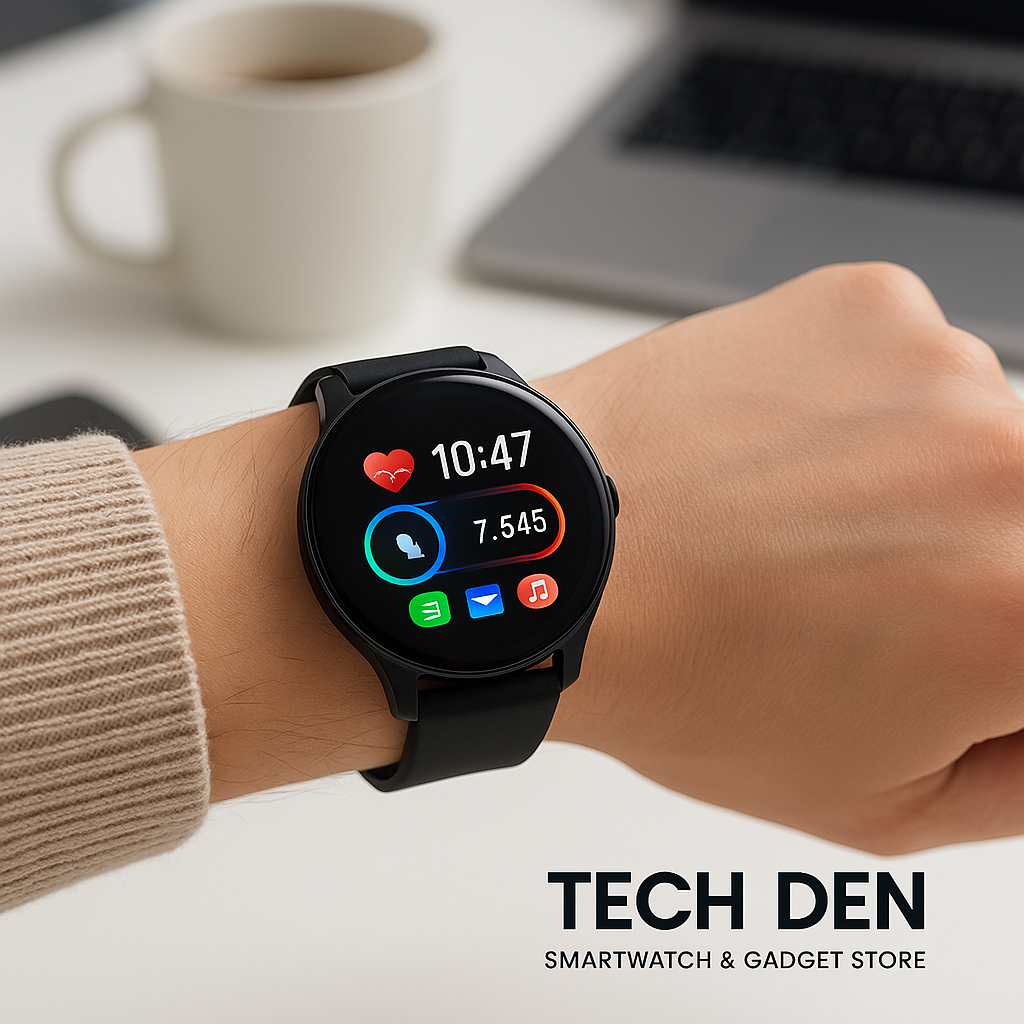
At Tech Den – Smartwatch & Gadget Store, we see customers every day who are confused between these two options.
What we’ve learned:
-
Many people end up using both:
-
A smartwatch for daily use, work, fitness and travel
-
A traditional watch for special occasions, parties, and formal events
-
-
Students, gym-goers, professionals who travel a lot and health-conscious users usually benefit more from a smartwatch.
-
Watch collectors, minimalists, and those who love timeless style often stick with traditional watches, sometimes adding a simple smartwatch later.
Final Verdict – Who Wins?
There is no single universal winner.
-
For features, health tracking, notifications and productivity –
? Smartwatch clearly wins. -
For timeless style, long-term durability, and emotional value –
? Traditional watch wins.
The real winner is the one that fits your lifestyle, your taste and your daily needs.
If you want to explore the latest smartwatches with calling, AMOLED display, health tracking and strong battery backup, visit Tech Den’s collection. Our team can help you compare models, understand features in simple language and choose a smartwatch that feels less like a gadget and more like a trusted partner on your wrist.
And if you love classic timepieces, you can still enjoy them—just remember, in 2025, your wrist can do a lot more than just show time.
Smartwatch vs traditional watch?
Maybe the best answer is: Use the one that makes your life better—and if possible, enjoy both.

![How to Change Time on Fossil Smart Watch [A GUIDE]](https://www.techdenbd.com/backend/img/blog/how-to-change-time-on-fossil-smartwatch-2022-06-29-62bbdf51aaea7.jpg)